
17 Spectacular Day Hikes in Yellowstone National Park


Have you ever imagined hiking through a landscape with steaming geysers, roaring waterfalls, and expansive meadows teeming with wildlife? Yellowstone National Park’s stunning variety of landscapes offers some of the most unique hiking experiences in the world.
But with hundreds of miles of trails to explore, it can be tough to decide where to start—especially if it’s your first visit to the park.
That’s why I’ve put together this guide to the best day hikes in Yellowstone. This curated list of showcase the best of Yellowstone, no matter what type of trail you’re looking for.
After countless hours exploring Yellowstone’s trails, I’m excited to share my top picks to help you make the most of your upcoming trip.
This post may contain affiliate links, where I may receive a small commission at no additional cost to you. Read more in this disclosure policy.
Overview of My Favorite Hikes in Yellowstone National Park
Yellowstone has a diverse range of hikes —from short, accessible boardwalks to remote, strenuous backcountry trails. Here’s a quick breakdown of the hikes I’ve included in this guide, categorized by difficulty:
- Easy: Less than 3 miles with minimal elevation gain, ideal for beginners or families.
- Moderate: 3 to 6 miles with some elevation gain, steeper sections, or rough terrain.
- Challenging: 7+ miles with significant elevation gain or difficult terrain, best for experienced hikers.
If you’re short on time, here’s a preview of the hikes covered in this post:
Easy Hikes:
- Upper Geyser Basin – Walk through Yellowstone’s most famous geothermal features (1.5 miles)
- Grand Prismatic Overlook – A short climb with stunning views of the park’s largest hot spring (1.2 miles)
- Storm Point Trail – Scenic lakeshore hike with great wildlife spotting opportunities (2.3 miles)
- Trout Lake Loop – Peaceful loop through a serene forest and lake area (1.2 miles)
- Mystic Falls – A short, rewarding hike to a beautiful waterfall (2.4 miles)
Moderate Hikes:
- Brink of the Lower Falls – Steep trail to the edge of Yellowstone’s most powerful waterfall (0.7 miles)
- Fairy Falls Trail – Hike to a tall waterfall with options for exploring more geothermal features (5 miles)
- Beaver Ponds Loop Trail – Wildlife-filled loop through forests and meadows (5.4 miles)
- North Rim Trail – Gorgeous canyon views along the Yellowstone River (3 miles)
- Lone Star Geyser Trail – A quieter trail to an erupting backcountry geyser (5 miles)
- Point Sublime via Artist Point – Spectacular canyon views along the South Rim (3 miles)
- Elephant Back Mountain Trail – Forested climb to panoramic views of Yellowstone Lake (3.5 miles)
Challenging Hikes:
- Specimen Ridge Trail – A remote, backcountry adventure through Lamar Valley (17 miles)
- Mount Washburn Trail – A popular summit hike with sweeping views from the top (6 miles)
- Avalanche Peak Trail – Steep climb to one of Yellowstone’s highest peaks (4 miles)
- Bunsen Peak Trail – Steady ascent to stunning valley and mountain views (4.6 miles)
- Lamar River Trail to Cache Creek – A long, scenic trail through prime wildlife habitats (10 miles)
Now, let’s dive into each one and help you plan the perfect hiking itinerary in Yellowstone!
Easily Plan Your Perfect Yellowstone Trip with My 87-Page Guide
Join hundreds of travelers who’ve used this guide to plan a stress-free, unforgettable trip.

- Detailed, hour-by-hour itineraries for all must-see sights.
- Insider tips to help you skip the crowds and find hidden gems.
- Easy-to-follow maps and regional guides.
- Trusted advice from my years of exploring the national parks.
Best Easy Hikes in Yellowstone
1. Upper Geyser Basin Loop


The Upper Geyser Basin is home to the largest concentration of geysers in the world, including the iconic Old Faithful. This easy 3.5-mile loop is perfect for those wanting a leisurely stroll, as the mostly flat boardwalk trail takes you through a surreal landscape of steaming vents, bubbling pools, and geysers erupting at regular intervals.
Highlights along the route include Geyser Hill, Morning Glory Pool, Riverside Geyser, and Castle Geyser. The accessible boardwalk makes this an ideal hike for families or anyone looking for an easy yet scenic walk through Yellowstone’s famous geothermal wonders.
Time your walk to coincide with Old Faithful’s eruption schedule, which happens about every 90 minutes. If you arrive just after an eruption, explore the Upper Geyser Basin first and return to see Old Faithful at the end. To avoid crowds, visit early in the morning or just before sunset.
2. Grand Prismatic Overlook via Fairy Falls Trail

The short but spectacular Grand Prismatic Overlook is a must-do for one of the best views in Yellowstone. This 1.2-mile round-trip trail takes you to an overlook with a stunning bird’s-eye view of Grand Prismatic Spring, the largest and most colorful hot spring in the U.S.
The hike is relatively short but involves a moderately steep climb. The panoramic views from the platform are well worth the effort as the vibrant rainbow hues of the spring come to life beneath you.
Midday or late afternoon is the best time to visit, as the direct sunlight illuminates the colors of the spring and the morning fog has burned off. Expect to wait a bit for parking in the small lot, but since the trail is short, turnover is fairly quick.
3. Storm Point Trail

The Storm Point Trail is a hidden gem on the shores of Yellowstone Lake. This peaceful 2.3-mile loop takes you through a forested area and along the lake’s eastern shore, offering beautiful views of the water and surrounding mountains.
The trail leads to a rocky point perfect for a picnic or a quiet moment to take in the scenery. You’ll often spot wildlife like bison, marmots, and various bird species along the way, making this a great hike for nature lovers.
4. Trout Lake Loop

The Trout Lake Loop is a short but scenic hike around a serene alpine lake surrounded by forest and mountains. This 1.2-mile loop is a peaceful escape from Yellowstone’s crowds, with opportunities to spot wildlife like otters, waterfowl, and sometimes even bears in the distance.
The trail begins with a short, steep climb before leveling out around the lake, where you can take in the reflections of the surrounding landscape in the calm water.
Bring binoculars to spot wildlife across the lake, especially in the early morning or late afternoon. The trail can be slippery after rain, so wear sturdy shoes with good grip.
5. Mystic Falls Trail
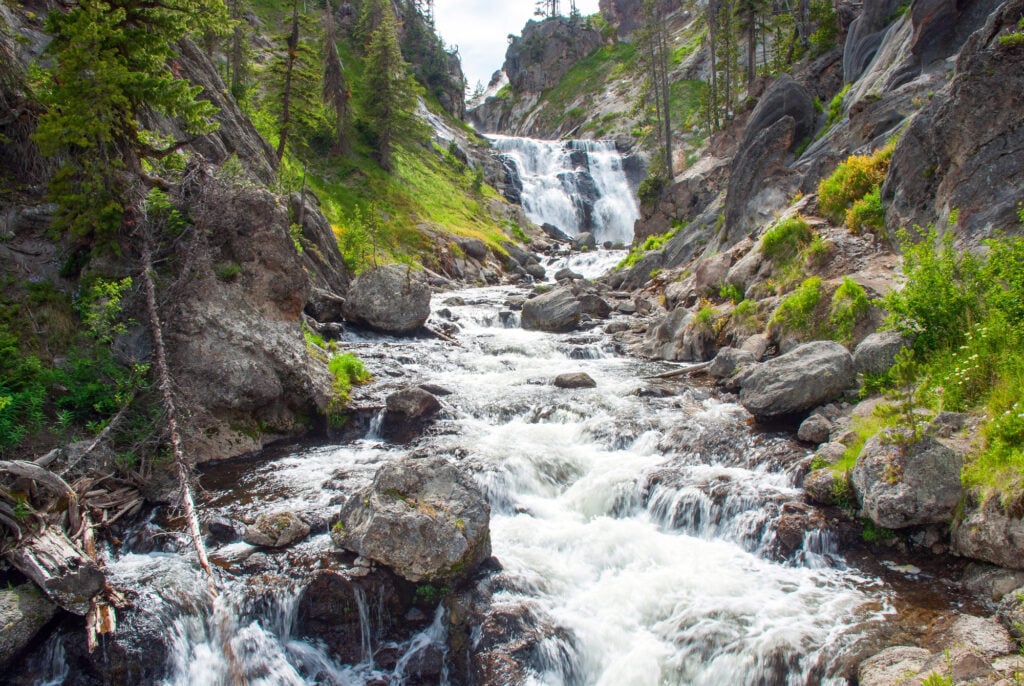
Mystic Falls is a scenic, crowd-free hike leading to a stunning 70-foot waterfall. This 2.4-mile round-trip trail begins at Biscuit Basin and follows the Little Firehole River through a forested area to the base of the falls. The cascading water creates a calming atmosphere, making it an ideal spot for photography or a quiet picnic.
If you’re looking for a relatively easy hike that’s off the beaten path, Mystic Falls is a great option.
Hiking is just one of the many amazing things to do in Yellowstone. From geyser viewing to wildlife watching, make sure you don’t miss out on any must-do activities.
Best Moderate Hikes in Yellowstone
6. Brink of the Lower Falls

The Brink of the Lower Falls trail is a must for an unforgettable, up-close encounter with one of Yellowstone’s most powerful waterfalls. This short but steep 0.7-mile round-trip hike descends steep switchbacks to a platform perched right at the edge of the 308-foot Lower Falls in the Grand Canyon of the Yellowstone. The view and the thunderous sound of the water crashing below create an incredible sensory experience.
Start this hike early in the day to avoid crowds. The switchbacks can get congested later in the morning, and the mist from the falls can make the trail slippery, so take your time on the descent.
7. Fairy Falls Trail


The Fairy Falls Trail is one of Yellowstone’s most popular moderate hikes, and it’s easy to see why. This nearly 5-mile round-trip hike takes you to the base of the 200-foot Fairy Falls, one of the tallest waterfalls in the park. The trail is mostly flat and passes through a young forest that’s recovering from past wildfires. You can also extend your hike to see the colorful Imperial and Spray Geysers, which are less crowded but equally impressive.
Don’t miss the short detour to Grand Prismatic Spring Overlook near the start of the trail for some of the best aerial views of the park’s biggest and most famous hot spring, best seen around midday in the direct sunlight.
8. Beaver Ponds Loop Trail

The Beaver Ponds Loop Trail is a quiet escape from the more crowded areas of Yellowstone. This 5.5-mile loop meanders through forests and sagebrush meadows, circling a series of ponds built by—you guessed it—beavers. The peaceful surroundings and likelihood of spotting wildlife, such as elk or even black bears, make this trail a great choice for nature enthusiasts looking for solitude.
9. North Rim Trail

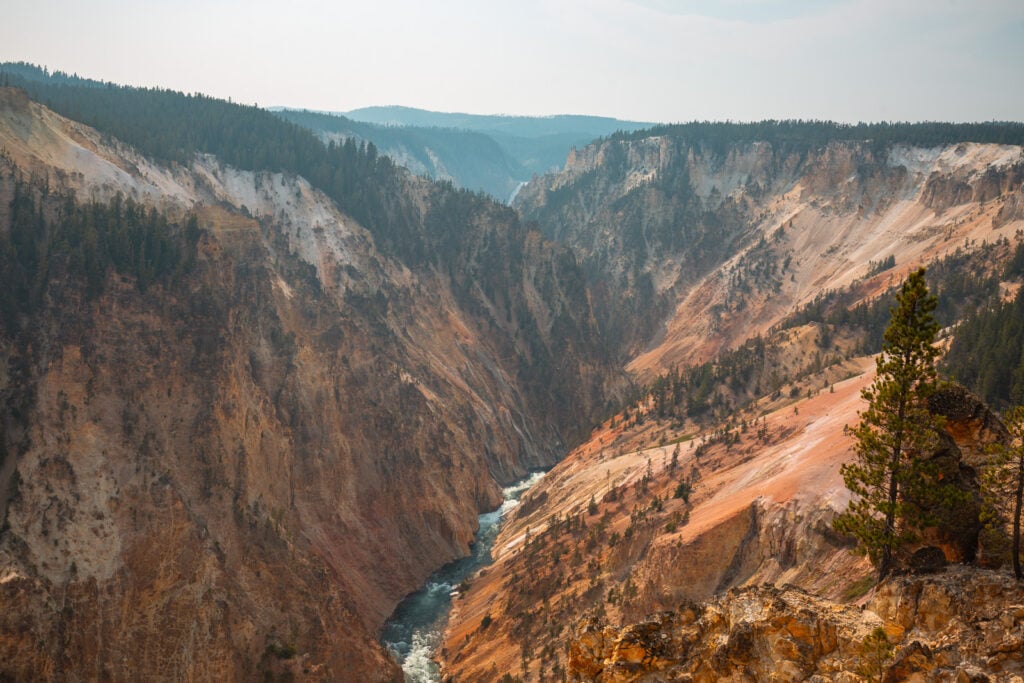
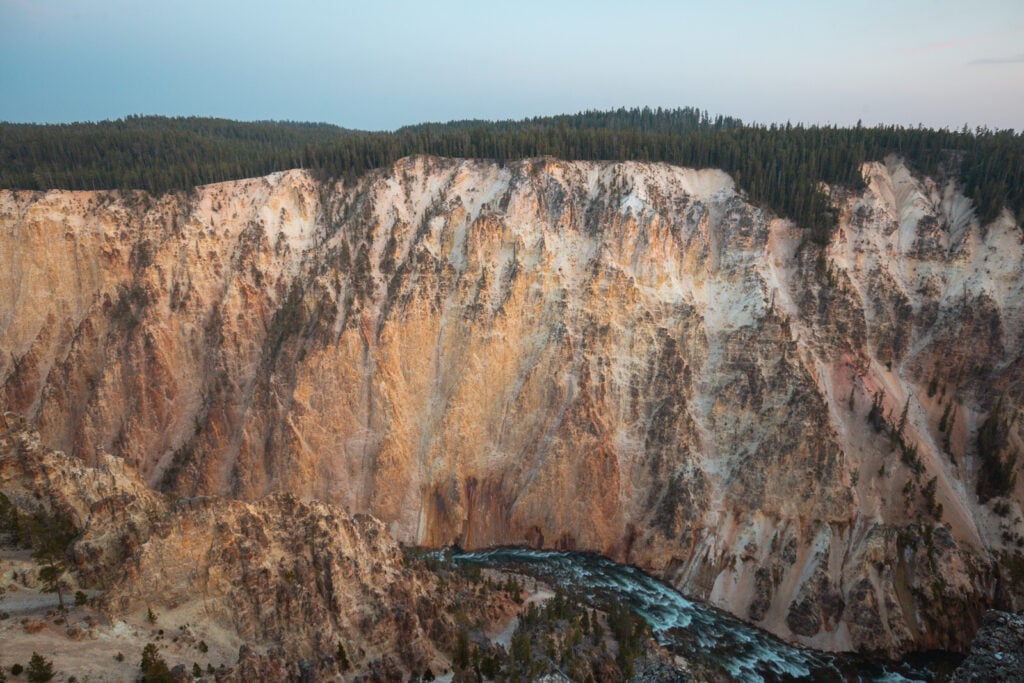
The North Rim Trail has some of the best panoramic views of the Grand Canyon of the Yellowstone, following the canyon’s edge for 3 miles. This one-way trail connects two of the canyon’s most famous viewpoints—Brink of the Upper Falls and Inspiration Point—while providing access to several other scenic stops like Lookout Point and Grand View.
You’ll enjoy sweeping views of the canyon walls, the Yellowstone River below, and the towering waterfalls.
If hiking with a group, consider parking a car at each end of the trail to avoid doubling back. If not, you can hike out and back for a longer, more challenging day. For even closer views of the Lower Falls, detour to Red Rock Point—it’s a bit more strenuous but well worth it!
10. Lone Star Geyser Trail

For a quieter alternative to the busy boardwalks around Old Faithful, the Lone Star Geyser Trail offers a peaceful, flat hike along the Firehole River. This 5.3-mile round-trip trail leads to the Lone Star Geyser, which erupts roughly every three hours, shooting water up to 45 feet in the air.
The relatively secluded path and regular geyser eruptions make this trail a hidden gem in Yellowstone’s geyser country. I highly recommend trying to time your hike to the next eruption.
11. Point Sublime via Artist Point Trail

For one of the most stunning views of the Grand Canyon of the Yellowstone, hike this trail from Artist Point to Point Sublime. This nearly 3-mile round-trip trail follows the canyon’s rim, offering jaw-dropping views of the colorful canyon walls and the river far below.
With fewer crowds than Artist Point, Point Sublime truly lives up to its name, giving you a peaceful spot to take in the beauty of the canyon region.
12. Elephant Back Mountain Trail

The Elephant Back Mountain Trail offers one of the best views of Yellowstone Lake. This 3.5-mile round-trip trail climbs steadily through a dense forest before opening up to panoramic vistas of Yellowstone Lake and the Absaroka Mountains. The final ascent is a bit steep, but the reward is an expansive view that’s well worth the effort.
Best Challenging Hikes in Yellowstone
13. Specimen Ridge Trail

The Specimen Ridge Trail is an epic, off-the-beaten-path adventure for experienced hikers. This 17-mile point-to-point trek takes you deep into Yellowstone’s backcountry, showcasing wide-open meadows, towering ridges, and fossil beds, with sweeping views of the Lamar Valley.
The trail is rugged and remote, often faint in spots, requiring solid navigation skills and backcountry know-how. Solitude is guaranteed, and the chance to see bison, elk, and even wolves makes this a special hike for experienced hikers.
Start early to avoid afternoon thunderstorms, which can roll in quickly. Bring plenty of water, as there aren’t refill opportunities along the trail, and be prepared for rough, uneven terrain.
14. Mount Washburn Trail

Mount Washburn is one of the most iconic summit hikes in Yellowstone, providing panoramic views from the 10,243-foot summit. The 6.8-mile round-trip trail from Dunraven Pass climbs steadily, rewarding you with sweeping views of the park, including the Grand Canyon of the Yellowstone and, on clear days, the Tetons. The trail is well-maintained and wildflowers blanket the slopes in the summer. In addition, bighorn sheep are often spotted near the summit.
Start early in the day to avoid crowds and afternoon thunderstorms, which are common in the summer. Bring layers—even in July, the summit can be cold and windy. The Dunraven Pass route offers better views than the slightly shorter Chittenden Road route, which follows an old fire road. If you want a more scenic climb, stick to Dunraven Pass.
15. Avalanche Peak Trail

If you’re up for a steep and demanding climb, Avalanche Peak offers some of the most breathtaking views in Yellowstone. The 4.5-mile round-trip hike ascends quickly, gaining over 2,000 feet in just two miles, leading to one of the park’s highest summits at 10,568 feet. The reward? Panoramic views of Yellowstone Lake, the Tetons, and the Absaroka Mountains.
Snow can linger on the trail into July, so be prepared with trekking poles, layers, and plenty of water. This is a steep, strenuous hike best for seasoned hikers.
16. Bunsen Peak Trail

The Bunsen Peak Trail is a steady climb with some of the most rewarding views in northern Yellowstone. This 4.6-mile round-trip hike takes you through forests and meadows before reaching the summit, where panoramic vistas of the Gallatin Mountains and Swan Lake Flat await. It’s a fantastic option for those looking for a challenging but shorter hike with big payoffs.
17. Lamar River Trail to Cache Creek Trail

The Lamar River Trail is a long, scenic hike through the wildlife-rich Lamar Valley. This 7-mile round-trip hike follows the Lamar River, with plenty of opportunities to spot bison, wolves, and grizzly bears along the way.
The trail takes you deep into the heart of one of Yellowstone’s most untouched areas, eventually reaching Cache Creek—a quiet backcountry spot perfect for a picnic.
My Top Tips for Hiking in Yellowstone National Park
Whether you’re a first-time hiker or have plenty of trail experience, being well-prepared is essential for a safe and enjoyable hike in Yellowstone. With unpredictable weather, varied terrain, and abundant wildlife, here are my top tips to make sure you’re ready for anything:
- Pack the Essentials: Always carry plenty of water (at least two liters per person), snacks, and a first aid kit. Yellowstone’s weather can change rapidly, especially at higher elevations, so dress in layers and be prepared for anything—from sun to sudden storms.
- Wear Proper Footwear: Yellowstone’s trails can be rocky and uneven. Sturdy hiking boots with good ankle support are a must, especially for moderate and challenging hikes. Make sure your boots are broken in to avoid blisters.
- Check the Weather: Yellowstone’s weather can vary dramatically depending on where you are in the park. Check the forecast before your hike and be prepared for rain, wind, or even snow, particularly in spring and fall. Afternoon thunderstorms are common in summer, so it’s best to start your hike early.
- Start Early: To avoid crowds and make the most of cooler morning temperatures, start your hike early in the day. You’ll also increase your chances of seeing wildlife like bison, elk, and bears.
- Carry Bear Spray: Yellowstone is home to both grizzly and black bears. Always carry bear spray and know how to use it. Make noise while hiking to avoid surprising wildlife, especially on less-traveled trails. Keep your bear spray easily accessible—holstered on your hip, not in your pack.
- Follow Leave No Trace Principles: Stay on designated trails, pack out all trash, and avoid disturbing wildlife or picking wildflowers. Following these guidelines helps protect the park and ensures future generations can enjoy its beauty.
- Practice Trail Etiquette: Yield to uphill hikers and give wildlife plenty of space—at least 100 yards from bears and wolves, and 25 yards from other animals. If you encounter wildlife, stop, observe from a safe distance, and wait for them to move on before continuing.
- Be Prepared for Elevation: Many of Yellowstone’s trails are above 7,000 feet, which can cause altitude sickness if you’re not acclimated. Stay hydrated, pace yourself, and listen to your body. If you’re feeling dizzy or fatigued, take breaks and turn back if necessary.
- Bring a Trail Map or GPS: Cell service is spotty in Yellowstone, so don’t rely on it for navigation. I highly recommend AllTrails Pro to download your hikes for offline navigation. For more remote hikes, I recommend the Garmin InReach Mini.
- Pets Are Not Allowed on Trails: Pets aren’t allowed on Yellowstone’s hiking trails, boardwalks, or in the backcountry. You can have them in developed areas like parking lots and campgrounds, but they must be on a leash at all times.
Planning to visit more than one national park this year? Save money and skip the lines with the America the Beautiful Pass, which gives you unlimited access to over 400 national park sites for the next 12 months. If you’re over 62, you can get the Senior Lifetime Pass instead for even more savings!
Frequently Asked Questions About Hiking in Yellowstone
I hope this guide to the best hikes in Yellowstone has helped you narrow down which trails are perfect for your upcoming trip, whether looking for accessible boardwalks or challenging summit hikes.
More Yellowstone Guides to Help Plan Your Trip:
Don’t Forget to Save This Post on Pinterest


